Berlin Mondiale: Year in Review 2025
For Berlin Mondiale, 2025 was a year of restarting under extremely challenging conditions. After the complete withdrawal of our core funding in November 2024, the continuation of our work was initially fundamentally in question. All the more demanding, then, was the task of rebuilding structures, maintaining partnerships, and at the same time developing perspectives for ongoing and new projects. From March onward, we were able to resume our work with great effort and renewed energy. This was made possible exclusively through project-based funding—above all through the LOTTO Foundation Berlin—as well as through the strong commitment and solidarity of our partners.
Despite these difficult circumstances, we carried out Berlin-wide analyses of how culture functions as a connecting element, strengthens local networks, and contributes to the activation of everyday places. It became clear how essential reliable cultural structures are, especially in times of uncertainty.
At the heart of Berlin Mondiale’s work remain three guiding principles: decentralized cultural work that brings art and culture directly into local neighborhoods and public spaces; cultural education for young people that enables participatory and inclusive access; and cultural urban development that strengthens collaboration between communities, institutions, and social spaces, anchoring culture sustainably in everyday urban life.
Churches as Fourth Places
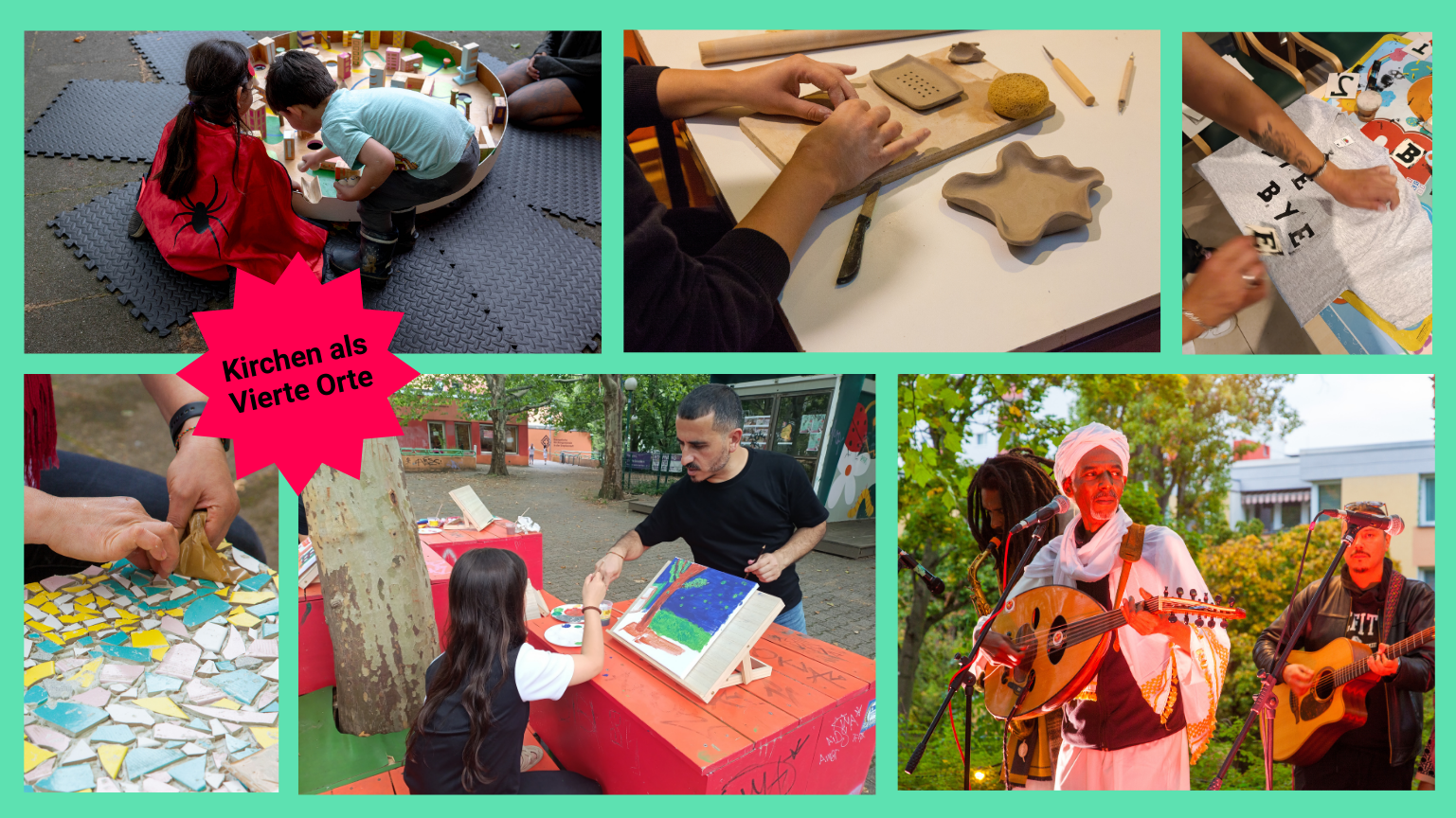
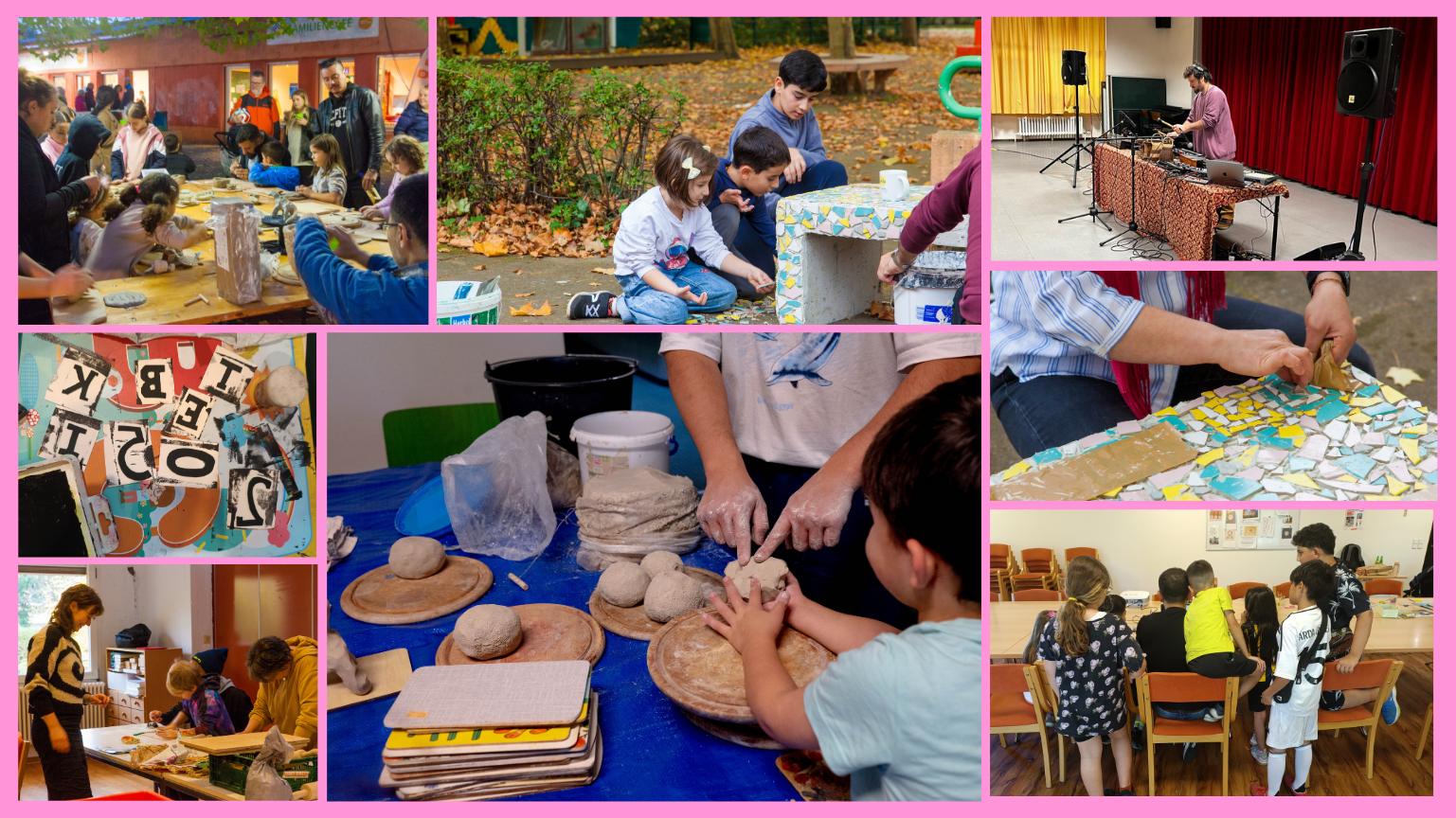
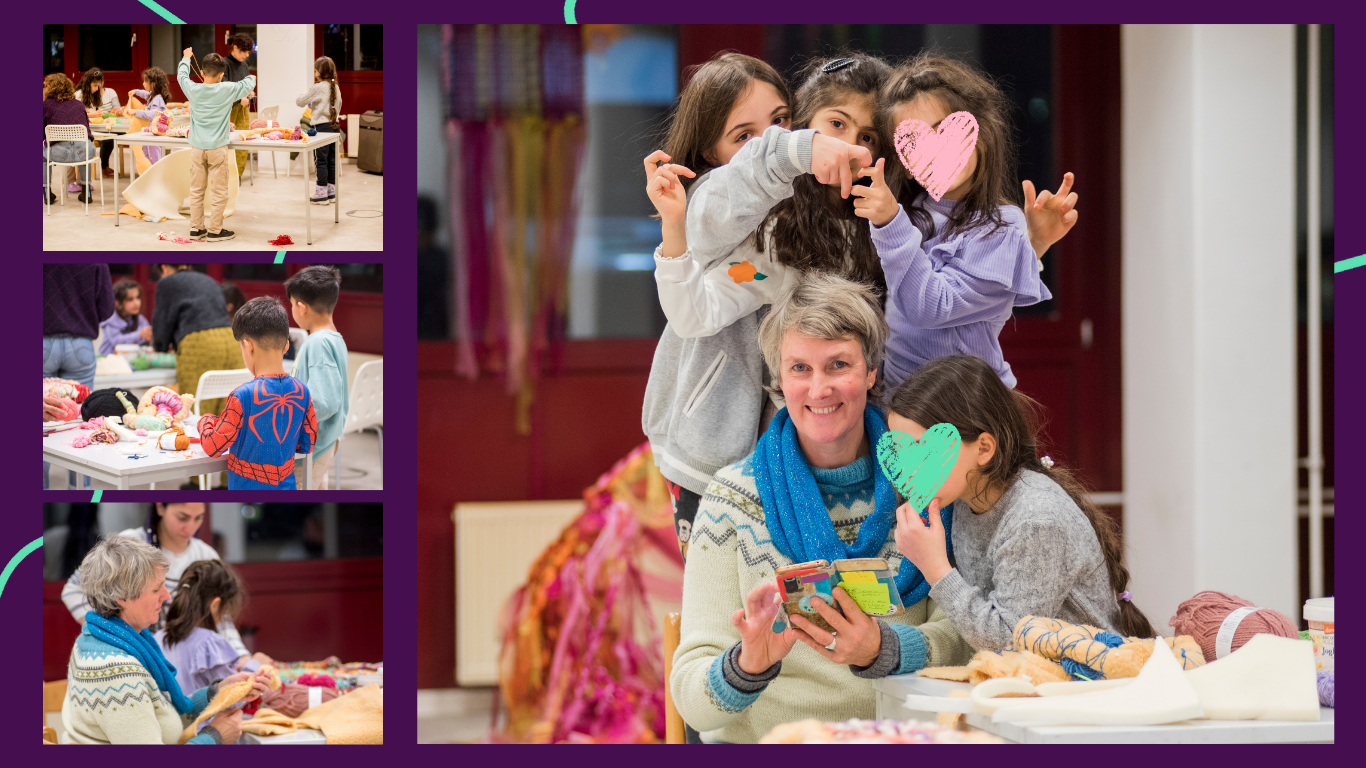
With the support of the LOTTO Foundation Berlin, we were able to launch the three-year project Churches as Fourth Places. Together with Berlin parishes, we are exploring how churches, alongside their existing roles, can also offer space for cultural life in everyday contexts.
In Spandau, Marzahn, and Neukölln, neighbors, artists, and local partners came together to collectively shape their neighborhoods artistically, exchange ideas, and spend time together:
- Ceramics and mosaic workshops in Neukölln-Gropiusstadt
- Concerts in Spandau-Wilhelmstadt
- Textile printing and mosaic workshops in Marzahn-Nord
The activities evolved through ongoing exchange between residents, artists, and local stakeholders.
Special thanks to: Stiftung Deutsche Klassenlotterie Berlin, Evangelische Kirchengemeinde Gropiusstadt, Katholische Gemeinde St. Wilhelm, Erzbistum Berlin, Casa e.V., Evangelische Kirchengemeinde Marzahn-Nord, WANTED Jugendkirche; Bündnis Feuer & Flamme, Barış Seyitvan, Frauen machen Druck, Nina Brachmann, Hasan Al Malik, Sun Blues, Andi Andrea.
Berlin Mondiale × Tanz im August
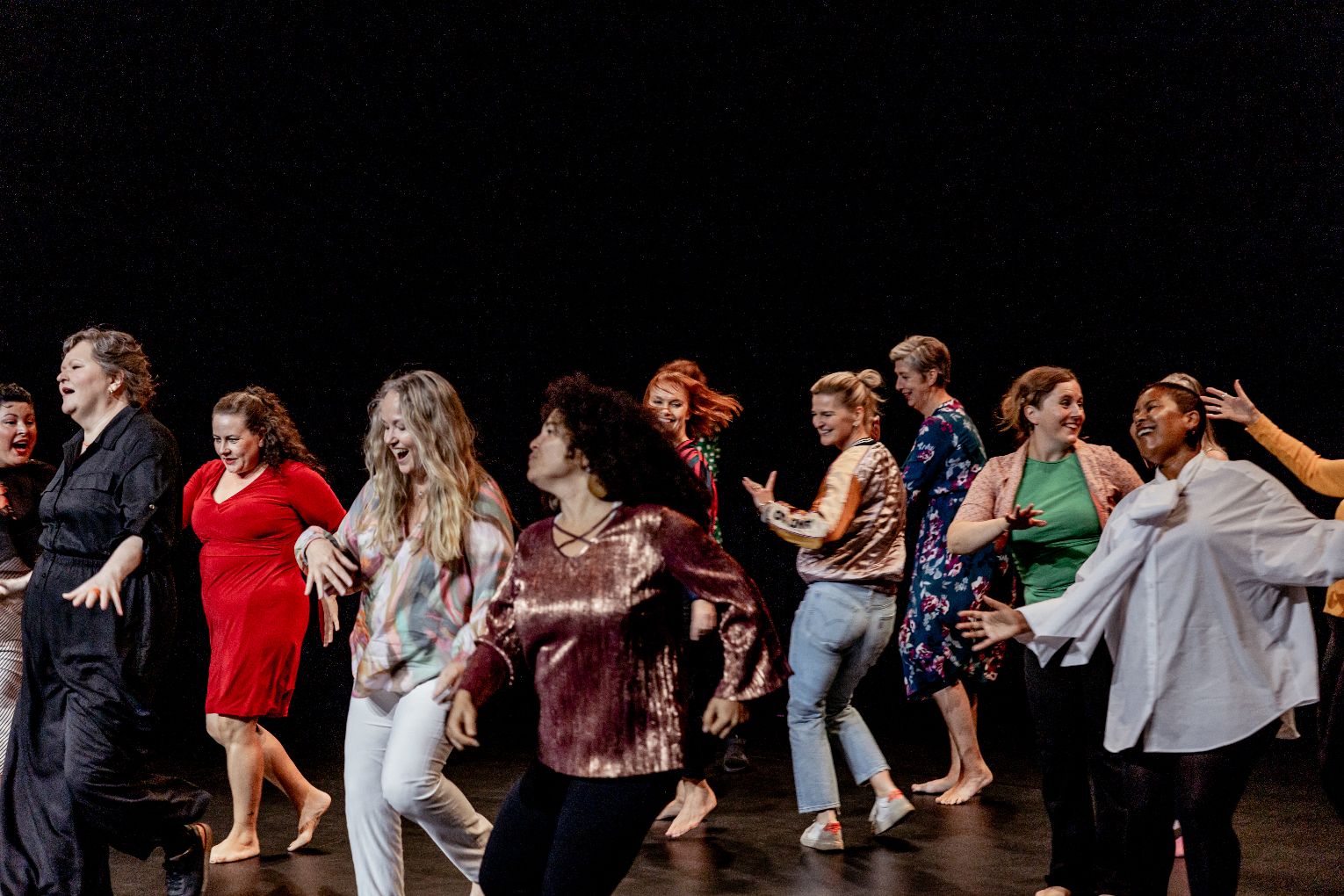
From April 2025 onward, Berlin Mondiale collaborated with Tanz im August, the International Festival for Contemporary Dance presented by HAU Hebbel am Ufer, by connecting the festival program citywide with local neighborhoods across Berlin. Through public relations and outreach strategies, we invited people to participate in workshops such as When the Bleeding Stops and to attend public events like the Outbox Me Battle on Tempelhofer Feld.
The festival presented 20 productions, including world premieres, German premieres, and international co-productions. In addition to performances, workshops, artist talks, and encounter formats offered space for exchange, experimentation, and playful approaches to contemporary dance.
Youth Culture Initiative (JKI)
Alongside our decentralized art and culture projects, Berlin Mondiale continued its work within the framework of the Youth Culture Initiative (JKI) of the Berlin Senate, a citywide program to strengthen cultural participation among young people.
Here, too, budget cuts in the cultural sector at the beginning of the year initially led to a temporary interruption of the initiative. Accordingly, our focus in 2025 was on supporting the restart and stabilization of the program. From July onward, we worked closely with cultural institutions to support the resumption of their decentralized work in social spaces by re-establishing partnerships and developing sustainable approaches for artistic collaboration under changed conditions.
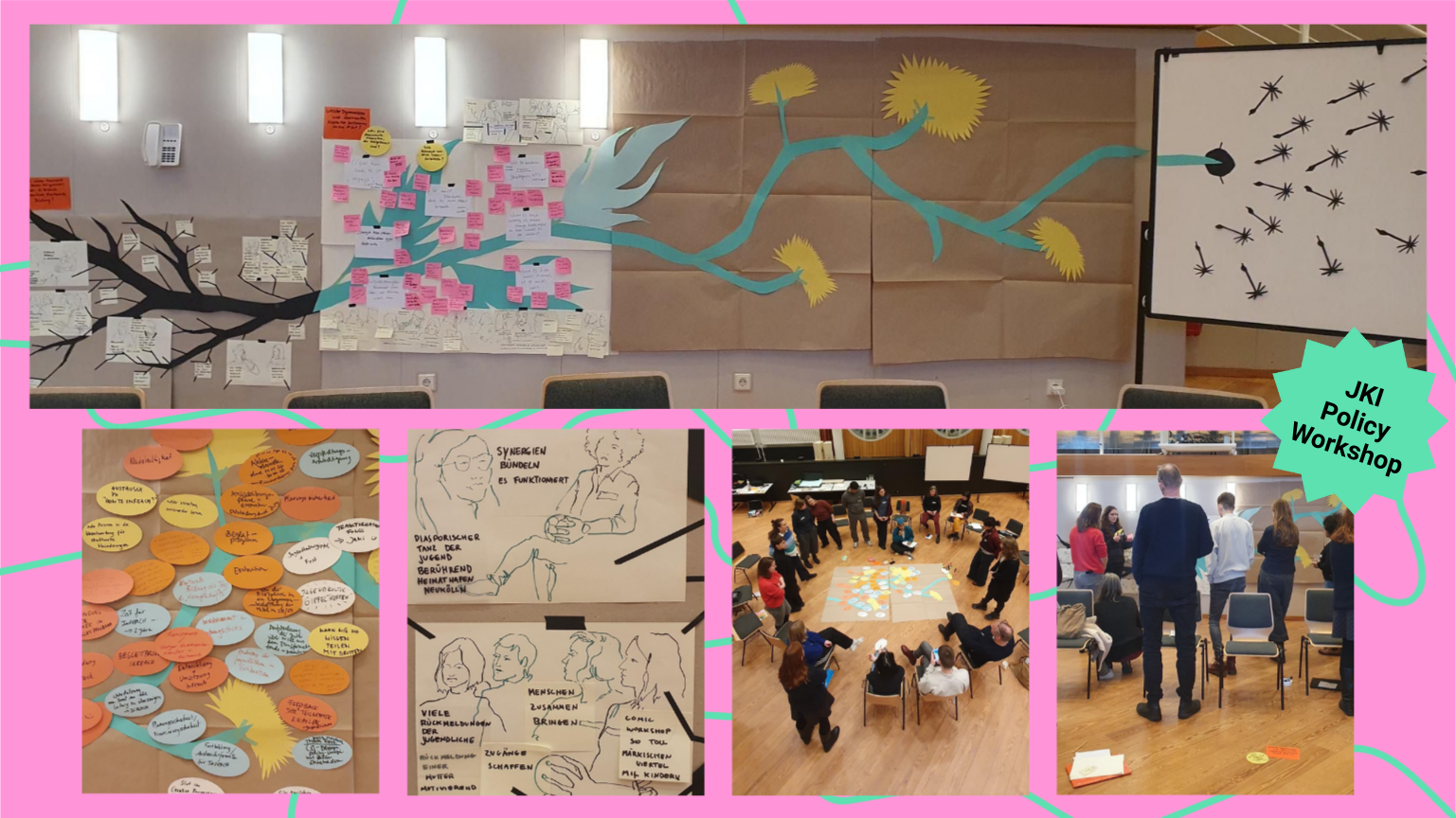
During this challenging phase, spaces for reflection emerged as we brought together stakeholders from practice, administration, and cultural policy. Our first Policy Co-Design Workshop arose directly from the practical work of the Youth Culture Initiative and made one thing clear: decentralized cultural education needs reliable structures in order to survive and grow.
Special Thanks to: Senate Department for Culture and Social Cohesion; Bauhaus Archive, Berlin Philharmonic, Heimathafen Neukölln, Konzerthaus Berlin, Literaturhaus Berlin, Sasha Waltz & Guests, Schaubühne Berlin, Schwules Museum, Theater an der Parkaue, Volksbühne Berlin
Marzahn – A District of Collaboration
In 2025, Marzahn became a focal point of our work, particularly the artistic interventions in the social space around Otto-Rosenberg-Platz. Berlin Mondiale coordinated several cultural projects that deliberately brought together residents, artists, and local partners, thereby strengthening participatory neighborhood development.
1. HKW on the Road in Marzahn
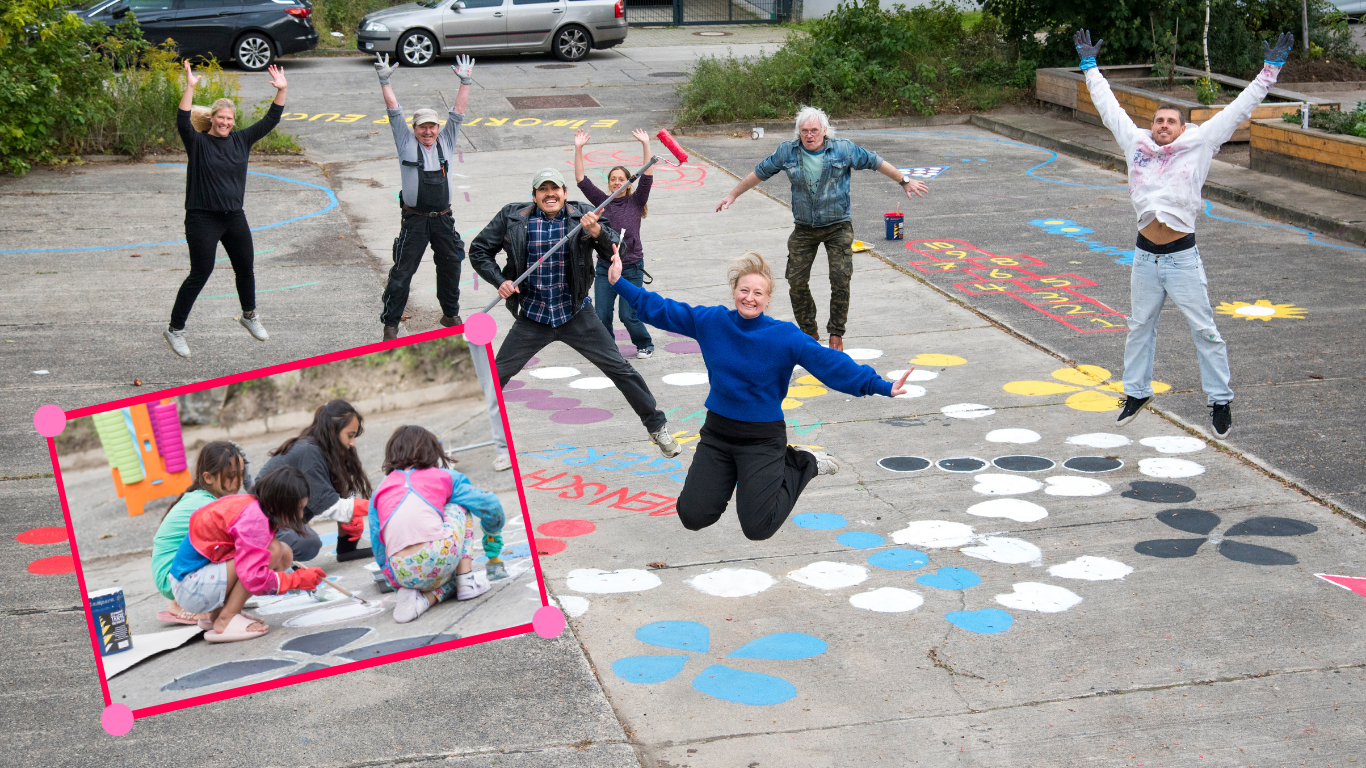
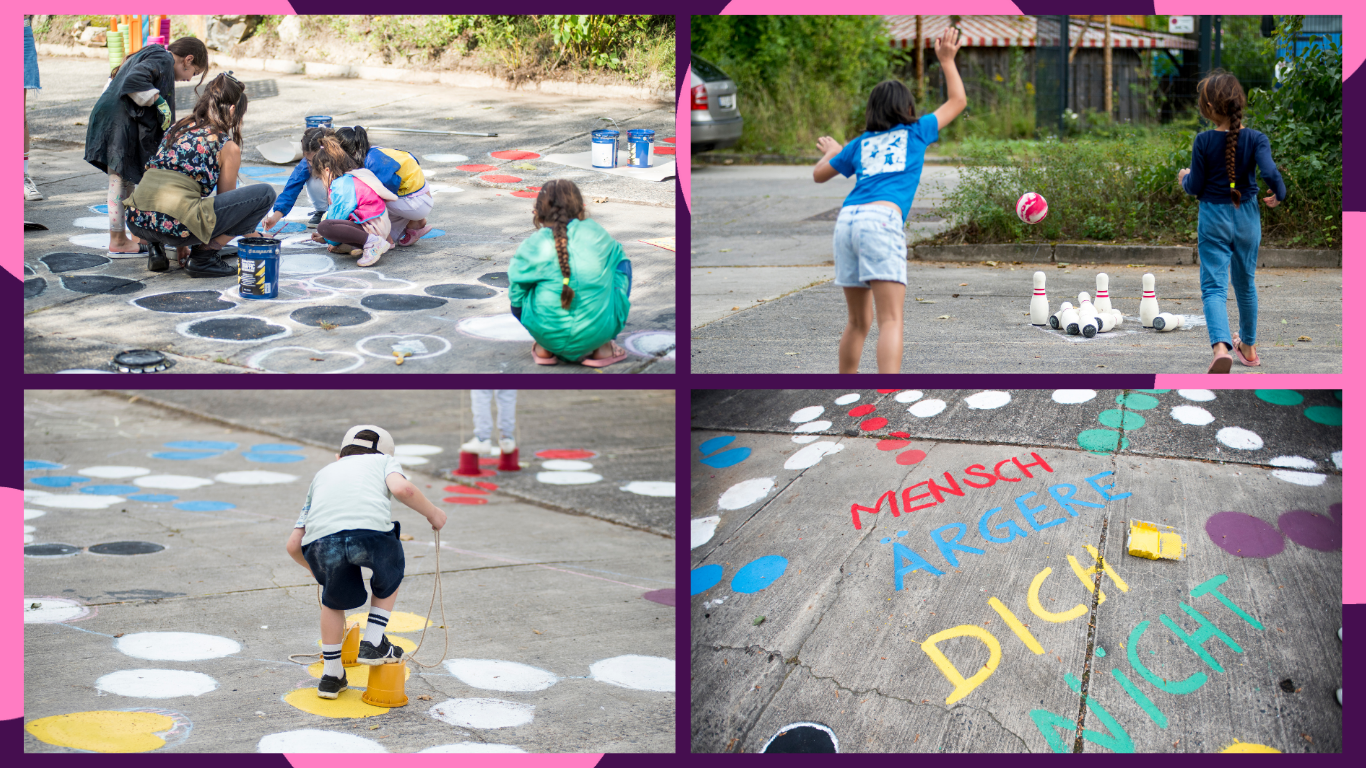
Together with the Haus der Kulturen der Welt (HKW), we went “on the Road” and activated Otto-Rosenberg-Platz, a central meeting place near the Bitterfelder Straße community accommodation. As part of public artistic actions, raised garden beds were created through a collective building activity, and the square itself was artistically redesigned during a painting action. In addition, the interventions offered space for exchange and reflection on the previous use of the public space and on possible new design concepts, thereby fostering participation and local co-creation.
Special thanks to: Haus der Kulturen der Welt (HKW), Felix Egle, Anis Anaïs Looalian, and Matteo Ciprandi
2. Sparkling Encounters -The Art of Coming Together
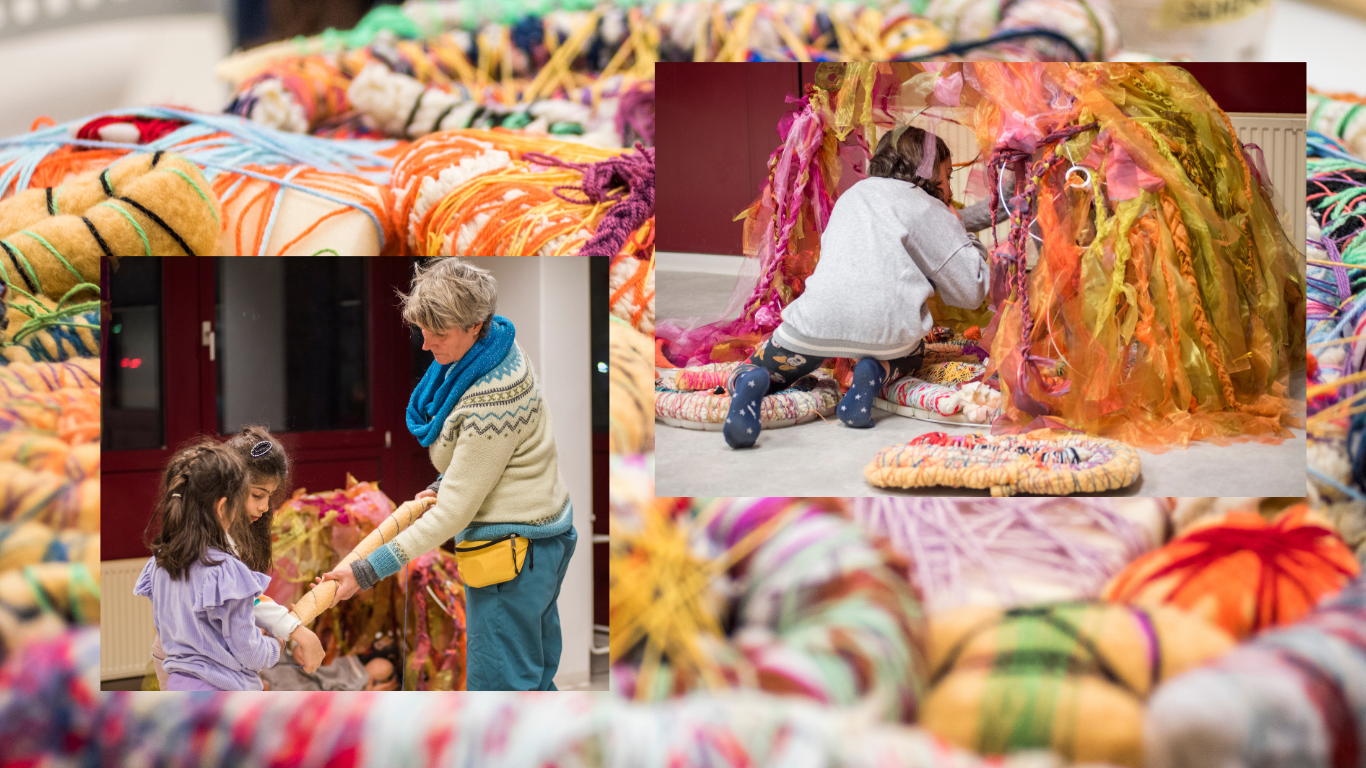
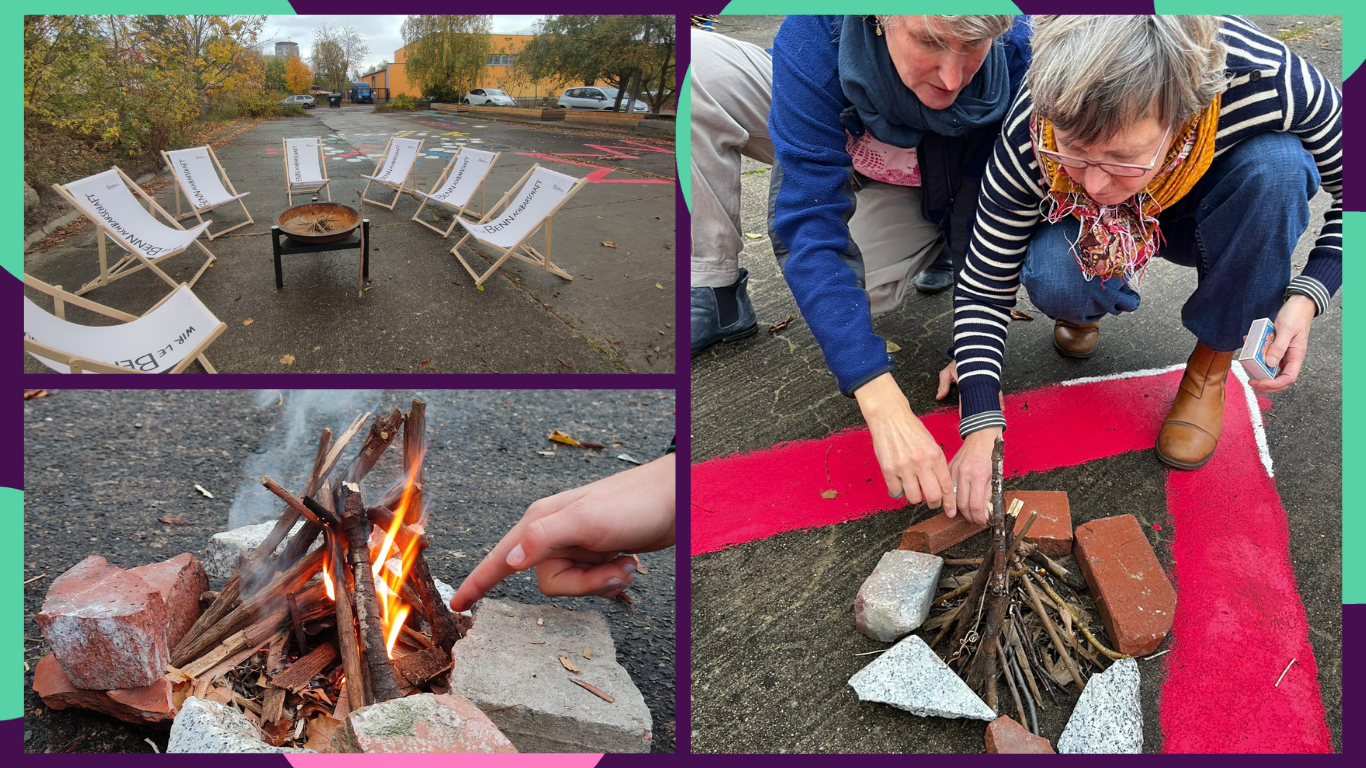
From October 2025 to September 2026, as part of a participatory project, we are promoting networking and exchange between residents of the Bitterfelder Straße community accommodation and their neighbors. In creative workshops, shared meals, and seasonal festivals, the element of fire serves as a symbol of warmth, gathering, and community. Participants work with various formats such as ceramics, storytelling, music, and cooking, linking creative expression, cultural education, and neighborhood encounters. The project runs until October 2026 and concludes with a public presentation at the Haus der Kulturen der Welt (HKW), highlighting the impact and visibility of the participating communities.
Special thanks to: Berliner Project Fund for Cultural Education, Dorothee Ruge, Barbara Klinker, melonseed collective, Hero – GU Bitterfelder Straße, BENNplus Raoul-Wallenberg-Straße of the DRK-Kreisverband Berlin-Nordost e.V.
3. Community through Culture
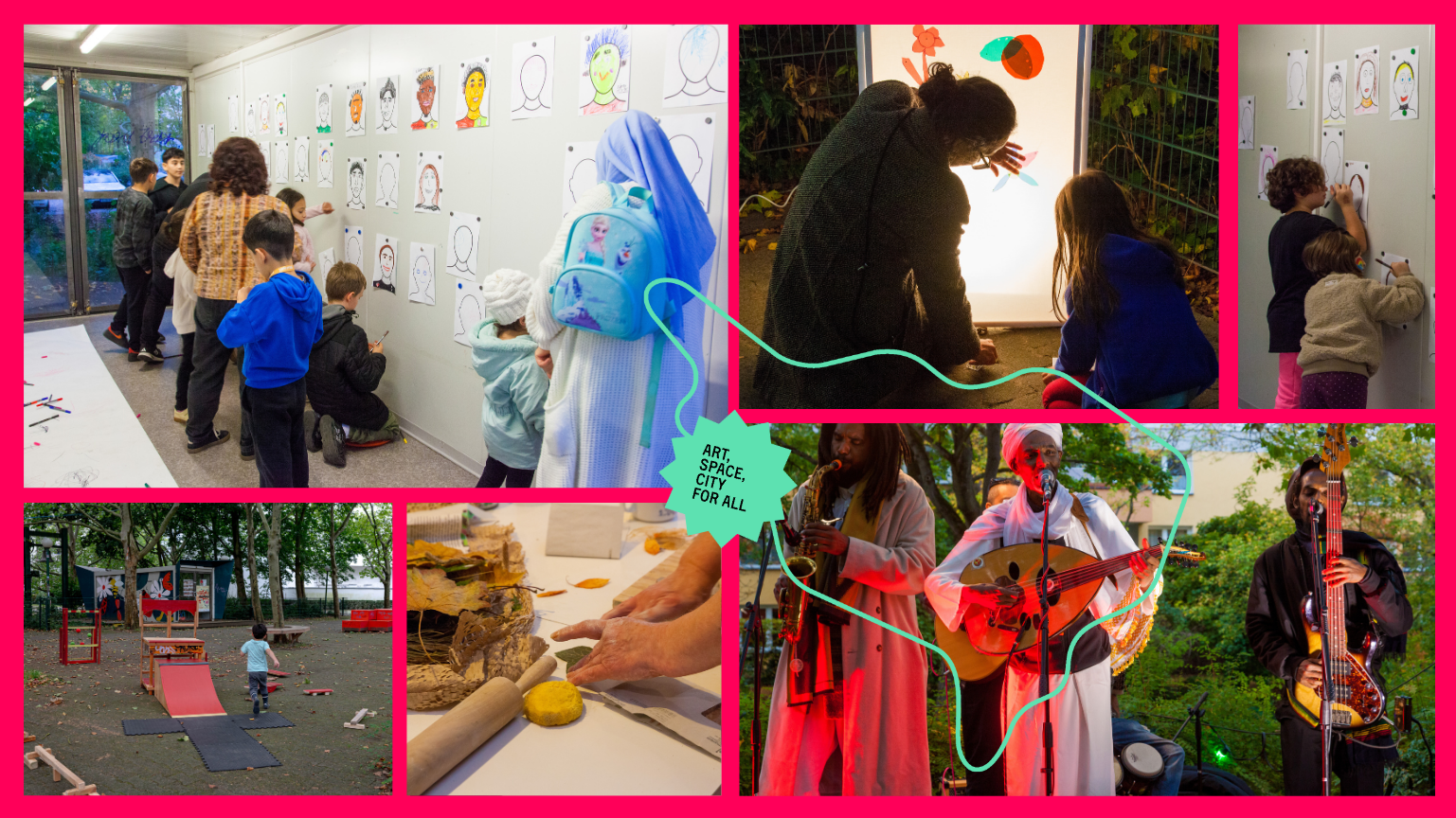
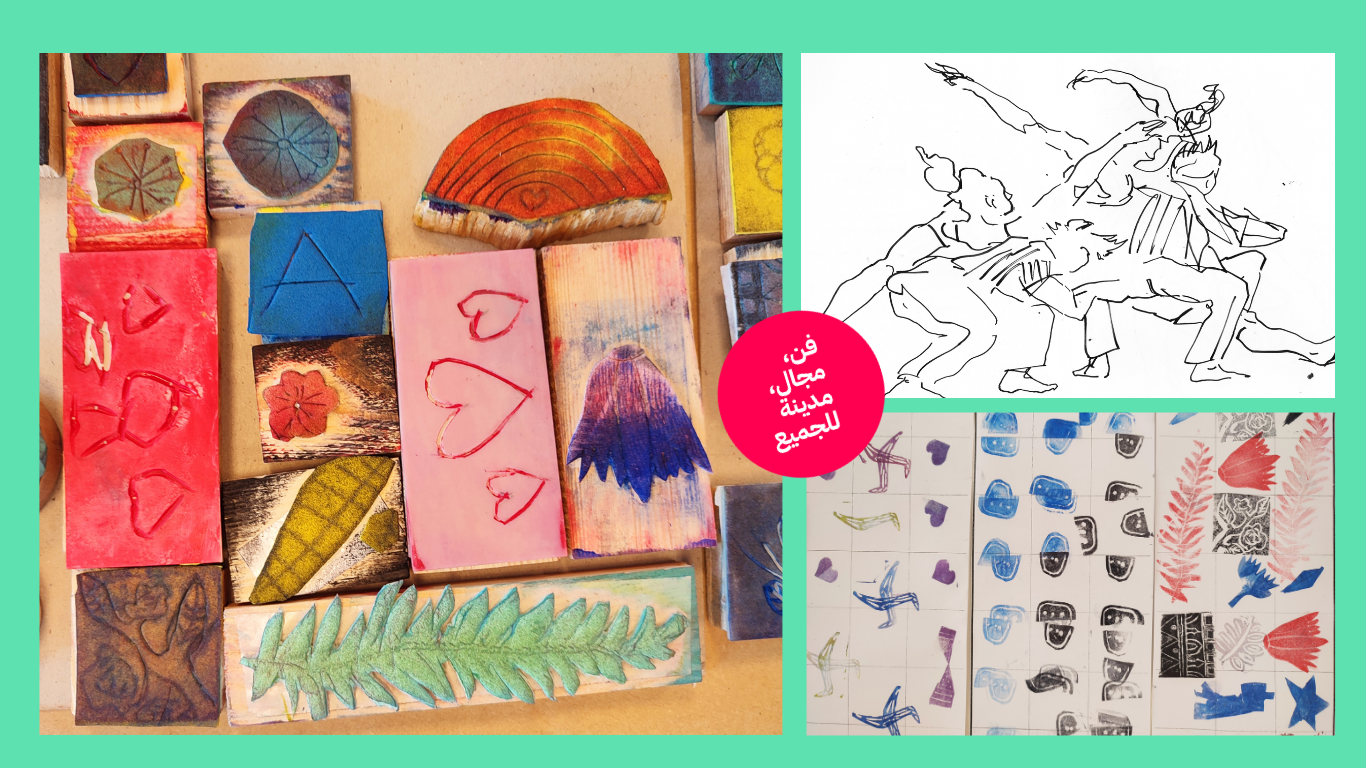
This project empowers young refugees and promotes exchange between community accommodations and the surrounding neighborhoods. Through dance, printing, and open art workshops, spaces for expression, encounter, and trust were created. The project is funded by the Berlin State Commission Against Violence and contributes to strengthening understanding, conflict prevention, and social cohesion.
Special thanks to: Berlin State Commission Against Violence, Senate Department for the Interior and Sport, Akiles Al-Agaili, Dorothee Ruge, Barbara Klinker, Tahnee Godt, Bauhaus Archive, Hero – GU Bitterfelder Straße, BENNplus Raoul-Wallenberg-Straße of the DRK-Kreisverband Berlin-Nordost e.V.
Outlook: 2026
Our outlook for 2026 is marked by great confidence. In close cooperation with the Senate Department for Urban Development, Building and Housing and local stakeholders, we will develop two new hubs of cultural urban development at Leopoldplatz (Wedding) and in North Kreuzberg between Hasenheide and Urbanstraße: places for creativity, self-organization, and local empowerment that anchor culture in everyday life.
In addition, in 2026 we will launch a three-year cooperation with the Department of Culture of the Neukölln District Office. Together, we will create Culture Islands in Gropiusstadt, opening up new spaces for participation, encounter, and cultural expression. Complementing this, funding from the Berliner Project Fund for Cultural Education will enable us, together with local partners and young people, to implement the project Radio Gropiusstadt in summer 2026. Further needs-based formats can be realized through the extension of a sponsorship by degewo AG at Apfelsinenplatz.
After a 2025 shaped by restarting, experimentation, and the resumption and further development of collaborations across many Berlin neighborhoods, we look ahead with great motivation. In churches and youth centers, on public squares and in new neighborhood spaces, Berlin Mondiale has demonstrated how participatory, inclusive, and decentralized cultural work can succeed. On this foundation, we aim not only to continue our work in 2026, but to grow further—and to put the combined expertise of our network and team to even stronger use in advancing cultural participation for all Berliners.
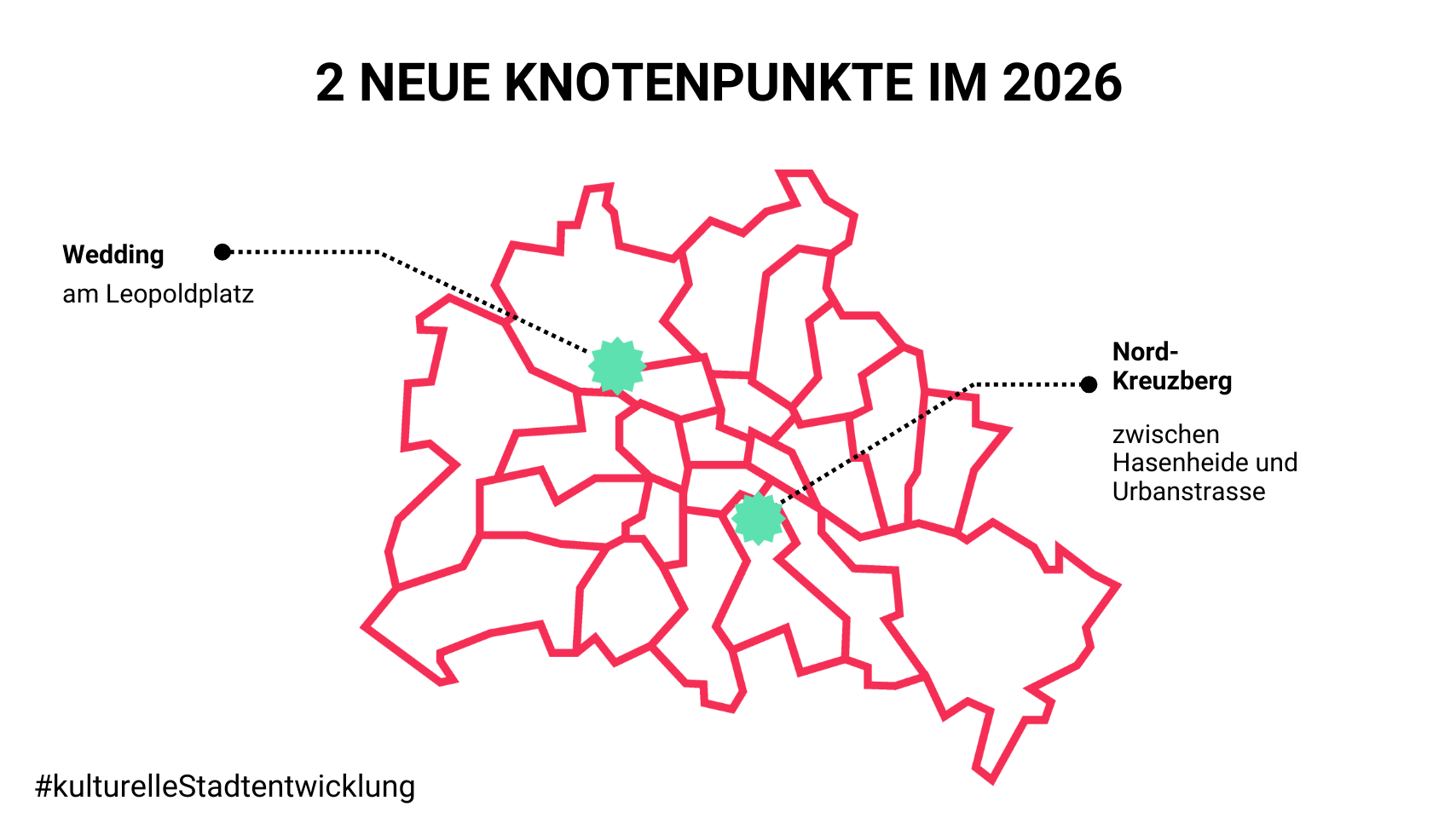
Photo credits: ©Clo Catalan, ©Salima Hamrini and ©Joanna Szproch